The roles of molecular sieves, activated alumina, silica gel, and ceramic balls
Time:2026-07-09
Behind the production of liquefied natural gas (LNG), deep dehydration of petrochemical cracking units, and the operation of medical oxygen concentrators, there is a type of material quietly supporting the operation of modern industry - adsorbents and support media. We have been deeply involved in the fields of molecular sieves, activated alumina, ceramic balls, and silica gel for more than 10 years, and deeply perceive that the global adsorbent market in 2024-2026 is undergoing a strategic transformation from "usable" to "efficient and energy-saving".
One. Analysis of the current global adsorbent market situation
1. Demand focus: Dual wheel drive of energy transformation and emerging markets
Oil and gas industry: With the increasingly stringent global standards for CO2 and H2S removal from natural gas, the demand for molecular sieve 3A, 4A, and 13X molecular sieves in the field of natural gas purification has surged. Especially the European "REPowerEU" program has accelerated the expansion of LNG infrastructure, directly driving the export demand for high-end molecular sieves.
Air Separation Unit (ASU): Lithium based molecular sieves (Li LSX) are gradually replacing traditional products due to their high nitrogen adsorption capacity in pressure swing adsorption (PSA) oxygen production, with an expected compound annual growth rate (CAGR) of 5.8% in the market.
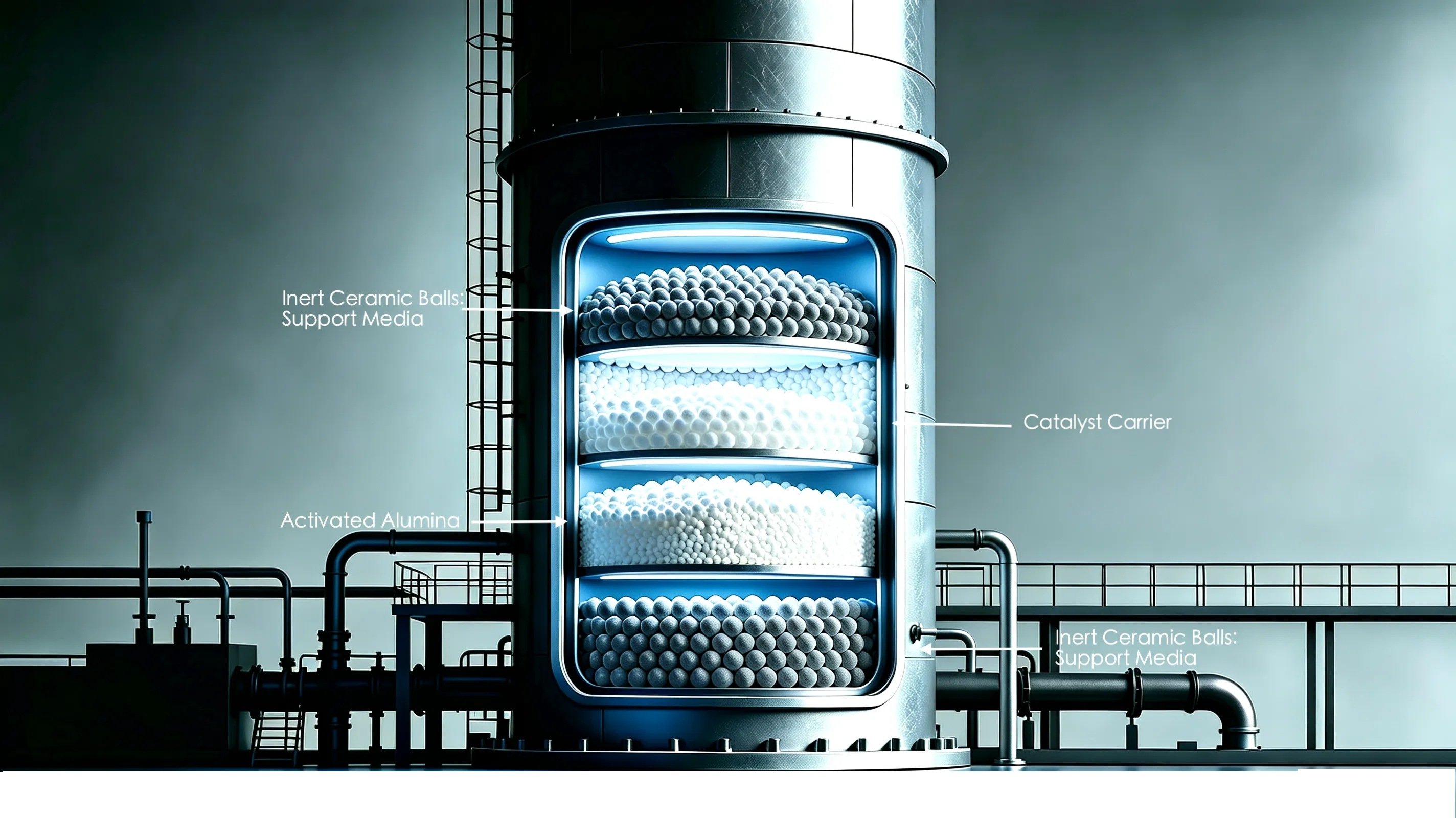
Middle East and Africa markets: Large petrochemical projects have landed, and the consumption of activated alumina (as a desiccant and catalyst carrier) and inert ceramic balls (as a supporting filler) remains high.
2. Supply focus: fluctuations in raw materials and the rise of "Made in China"
Due to the fluctuation of global prices of basic raw materials such as kaolin and alumina caused by the energy crisis, supply chain stability has become the primary consideration for buyers. As the world's largest adsorbent production base, China is transforming from a "low-cost substitute" to a provider of "high-quality customized solutions" with a complete industrial chain and highly competitive costs.
Two. The Role and Influence of the Four Core Products in Global Industry
1. Molecular sieves: "molecular screeners" for industrial gases
Function: Utilizing regular crystal channels, selectively adsorb water, methanol, and other substances based on molecular dynamics diameter H2S。
Global impact: In the ethanol dehydration to ethylene (biofuel) process, molecular sieves have completely replaced azeotropic distillation, helping to reduce the global carbon footprint. Without molecular sieves, it is impossible to achieve a deep dew point below -70 ℃.
2. Activated alumina: the "dehumidification pioneer" with pressure resistance and crush resistance
Function: High specific surface area (usually>300m²/g) and excellent compressive strength make it the preferred choice for PSA air separation and compressed air drying.
Global impact: In humid and rainy Southeast Asia and South America, activated alumina protects thousands of air compressors from "liquid hammer" damage, extending equipment life and indirectly saving billions of dollars in maintenance costs for global industries.
3. Silica gel: the "humidity guard" of precision instruments
Function: High adsorption capacity (up to 30% or more at relative humidity of 50%) and color indication function.
Global impact: In cross-border pharmaceutical transportation and electronic component packaging, silicone prevents products from being scrapped due to temperature condensation during ocean shipping. It is an indispensable 'last mile' loss prevention officer in the global supply chain.
4. Ceramic ball: the "loyal bodyguard" of the reactor
Function: Uniformly distribute airflow and liquid flow, while supporting expensive catalysts and preventing debris blockage.
Global impact: In refinery reforming units, the service life of high-strength ceramic balls has been extended to over 10 years, effectively avoiding unplanned shutdowns. For today's oil refining industry with extremely low profit margins, reducing one day of parking means saving millions of dollars in profits.
Three. Challenges and Opportunities in the Global Trade Landscape
Challenge:
Shipping and Carbon Tax: The EU CBAM (Carbon Border Adjustment Mechanism) is about to be implemented, and adsorbents, as high energy consuming calcined products, will directly affect terminal procurement costs through carbon footprint accounting.
Certification barriers: Overseas customers are increasingly demanding FDA certification for adsorbents (silica gel for food grade CO2), ISO 9001, and specific chlorine content standards.
Opportunity:
Recycling and regeneration technology: Adsorbents with high-temperature regeneration capabilities (such as high-temperature resistant molecular sieves) have increased their premium ability in the market as companies tend towards a circular economy.
One Stop Shop: The value of an integrated industry and trade company lies in integration. Customers are increasingly looking for packaging suppliers that can simultaneously provide molecular sieves, activated alumina, and ceramic balls to reduce logistics and procurement management costs.
Four. Strategic advice for potential international buyers
Don't just look at the unit price, look at the full lifecycle cost: the powdering of inferior ceramic balls can clog downstream valves, and the maintenance cost far exceeds the premium of the product itself. Please request the report on compressive strength and wear rate testing.
Pay attention to moisture content: For molecular sieves, the loss on ignition (L.O.I) before packaging should be strictly controlled below 1.5%. Even with sealed packaging, high temperatures during sea transportation can cause "pre adsorption", resulting in a reduced effect upon arrival at the port.
Localized warehousing and mixed loading: Choosing a trading partner (such as us) with export cooperation experience in China and the ability to provide mixed loading container services can help you save more than 30% of LCL shipping costs.
As a professional manufacturer, we not only handle goods, but also serve as a global connector for industrial drying solutions. Whether you are in an oil and gas field, chemical plant, or pharmaceutical workshop, understanding the market trends and selecting the right product portfolio are the key to maintaining cash flow and equipment stability in fierce market competition.
To know more details, just contact us to one stop solutions via info@oimchem.com.
Behind the production of liquefied natural gas (LNG), deep dehydration of petrochemical cracking units, and the operation of medical oxygen concentrators, there is a type of material quietly supporting the operation of modern industry - adsorbents and support media. We have been deeply involved in the fields of molecular sieves, activated alumina, ceramic balls, and silica gel for more than 10 years, and deeply perceive that the global adsorbent market in 2024-2026 is undergoing a strategic transformation from "usable" to "efficient and energy-saving".
One. Analysis of the current global adsorbent market situation
1. Demand focus: Dual wheel drive of energy transformation and emerging markets
Oil and gas industry: With the increasingly stringent global standards for CO2 and H2S removal from natural gas, the demand for molecular sieve 3A, 4A, and 13X molecular sieves in the field of natural gas purification has surged. Especially the European "REPowerEU" program has accelerated the expansion of LNG infrastructure, directly driving the export demand for high-end molecular sieves.
Air Separation Unit (ASU): Lithium based molecular sieves (Li LSX) are gradually replacing traditional products due to their high nitrogen adsorption capacity in pressure swing adsorption (PSA) oxygen production, with an expected compound annual growth rate (CAGR) of 5.8% in the market.
Middle East and Africa markets: Large petrochemical projects have landed, and the consumption of activated alumina (as a desiccant and catalyst carrier) and inert ceramic balls (as a supporting filler) remains high.
2. Supply focus: fluctuations in raw materials and the rise of "Made in China"
Due to the fluctuation of global prices of basic raw materials such as kaolin and alumina caused by the energy crisis, supply chain stability has become the primary consideration for buyers. As the world's largest adsorbent production base, China is transforming from a "low-cost substitute" to a provider of "high-quality customized solutions" with a complete industrial chain and highly competitive costs.
Two. The Role and Influence of the Four Core Products in Global Industry
1. Molecular sieves: "molecular screeners" for industrial gases
Function: Utilizing regular crystal channels, selectively adsorb water, methanol, and other substances based on molecular dynamics diameter H2S。
Global impact: In the ethanol dehydration to ethylene (biofuel) process, molecular sieves have completely replaced azeotropic distillation, helping to reduce the global carbon footprint. Without molecular sieves, it is impossible to achieve a deep dew point below -70 ℃.
2. Activated alumina: the "dehumidification pioneer" with pressure resistance and crush resistance
Function: High specific surface area (usually>300m²/g) and excellent compressive strength make it the preferred choice for PSA air separation and compressed air drying.
Global impact: In humid and rainy Southeast Asia and South America, activated alumina protects thousands of air compressors from "liquid hammer" damage, extending equipment life and indirectly saving billions of dollars in maintenance costs for global industries.
3. Silica gel: the "humidity guard" of precision instruments
Function: High adsorption capacity (up to 30% or more at relative humidity of 50%) and color indication function.
Global impact: In cross-border pharmaceutical transportation and electronic component packaging, silicone prevents products from being scrapped due to temperature condensation during ocean shipping. It is an indispensable 'last mile' loss prevention officer in the global supply chain.
4. Ceramic ball: the "loyal bodyguard" of the reactor
Function: Uniformly distribute airflow and liquid flow, while supporting expensive catalysts and preventing debris blockage.
Global impact: In refinery reforming units, the service life of high-strength ceramic balls has been extended to over 10 years, effectively avoiding unplanned shutdowns. For today's oil refining industry with extremely low profit margins, reducing one day of parking means saving millions of dollars in profits.
Three. Challenges and Opportunities in the Global Trade Landscape
Challenge:
Shipping and Carbon Tax: The EU CBAM (Carbon Border Adjustment Mechanism) is about to be implemented, and adsorbents, as high energy consuming calcined products, will directly affect terminal procurement costs through carbon footprint accounting.
Certification barriers: Overseas customers are increasingly demanding FDA certification for adsorbents (silica gel for food grade CO2), ISO 9001, and specific chlorine content standards.
Opportunity:
Recycling and regeneration technology: Adsorbents with high-temperature regeneration capabilities (such as high-temperature resistant molecular sieves) have increased their premium ability in the market as companies tend towards a circular economy.
One Stop Shop: The value of an integrated industry and trade company lies in integration. Customers are increasingly looking for packaging suppliers that can simultaneously provide molecular sieves, activated alumina, and ceramic balls to reduce logistics and procurement management costs.
Four. Strategic advice for potential international buyers
Don't just look at the unit price, look at the full lifecycle cost: the powdering of inferior ceramic balls can clog downstream valves, and the maintenance cost far exceeds the premium of the product itself. Please request the report on compressive strength and wear rate testing.
Pay attention to moisture content: For molecular sieves, the loss on ignition (L.O.I) before packaging should be strictly controlled below 1.5%. Even with sealed packaging, high temperatures during sea transportation can cause "pre adsorption", resulting in a reduced effect upon arrival at the port.
Localized warehousing and mixed loading: Choosing a trading partner (such as us) with export cooperation experience in China and the ability to provide mixed loading container services can help you save more than 30% of LCL shipping costs.
As a professional manufacturer, we not only handle goods, but also serve as a global connector for industrial drying solutions. Whether you are in an oil and gas field, chemical plant, or pharmaceutical workshop, understanding the market trends and selecting the right product portfolio are the key to maintaining cash flow and equipment stability in fierce market competition.
To know more details, just contact us to one stop solutions via info@oimchem.com.
